A headline is the title of a news article, blog post, advertisement, or any other piece of content that appears prominently above the text and whose job is to attract attention, convey the content’s main subject, and compel the reader to keep reading. It’s the first thing readers see, and in most cases, it determines whether they read anything else.
The headline definition in journalism refers specifically to the display text above a news story, distinct from the deck (a secondary explanatory line below the headline) and the byline (the author’s name). In digital content and marketing, ‘headline’ is used more broadly to mean any primary title or subject line, from email subject lines to landing page headers to social media posts.
Whatever the context, headlines do the same fundamental job: capture attention and communicate enough to make the reader want more.
What Does a Headline Mean in Newspaper Journalism?
In print and digital journalism, a headline serves three functions simultaneously. It tells the reader what happened, it signals the story’s importance and tone, and it fits the physical or digital space available. Newspaper headline writers develop a specialized skill set built around these constraints.
The headline definition in journalism also carries specific structural conventions. Active voice is strongly preferred: ‘Mayor Signs Housing Bill’ rather than ‘Housing Bill Signed by Mayor.’ Present tense is used for recent events even when the story is written in past tense: ‘Council Votes to Close Library.’ Articles (a, an, the) are often omitted to save space.
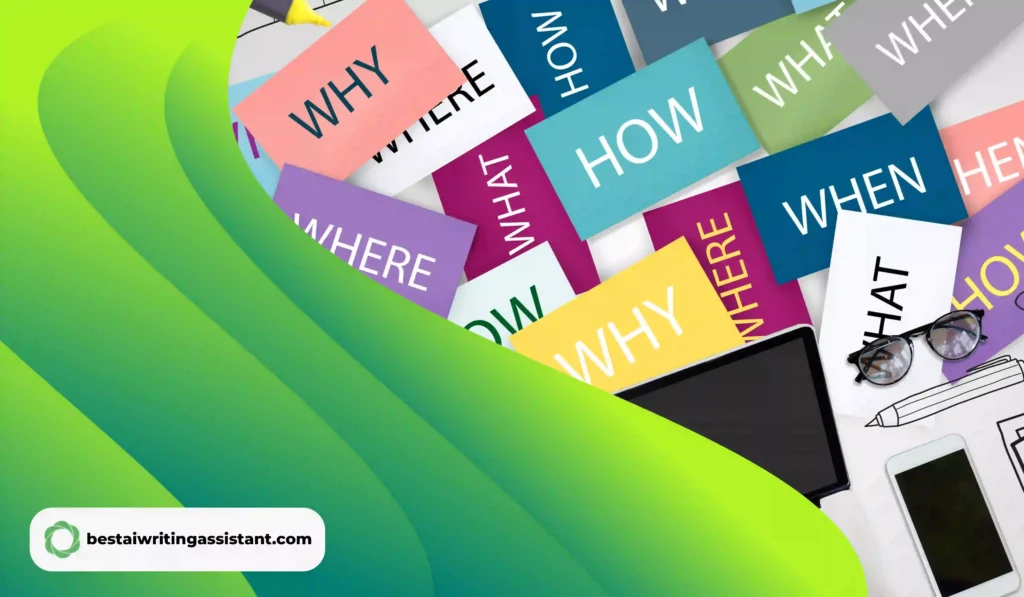
A good newspaper headline answers at least one of the five W’s (who, what, when, where, why) directly. The best ones answer two or three without feeling cluttered. ‘School Board Fires Principal Over Test Scandal’ tells you who (school board), what (fires principal), and why (test scandal) in five words.
Headlines in Digital Content and Marketing
The headline meaning in digital contexts is broader but its function is even more critical. In a social media feed or search results page, the headline is often the only part of the content a reader sees before deciding whether to click. This has made headline writing, and headline testing, a high-priority discipline in digital marketing.
Digital headlines have to do something print headlines don’t: they have to function as search queries and social sharing text as well as article titles. A digital headline like ‘How to Write a Headline That Actually Gets Clicks’ is simultaneously targeting the keyword ‘how to write a headline,’ providing a clear benefit promise, and using social currency (the ‘actually’ signals that other advice is inadequate, which is inherently shareable).
Headline optimization tools like those reviewed in the Jasper review and Anyword review use AI to generate and score headline variations against predicted click-through rates, which is particularly valuable for high-traffic content where headline performance has significant business impact.
What Are the Different Types of Headlines?
Several headline formats appear with enough frequency to have specific names:
- Direct headline: States the offer or subject plainly. ‘New Report Shows Remote Work Increases Productivity.’ No tricks, no teasing. Works best when the content itself is the draw.
- Indirect headline: Creates curiosity without fully explaining. ‘What Nobody Tells You About Remote Work.’ Requires the reader to click to resolve the ambiguity.
- How-to headline: Promises a specific, actionable outcome. ‘How to Write a Headline That Doubles Your Click-Through Rate.’ One of the most reliably effective formats in instructional content.
- Question headline: Poses a question the reader wants answered. ‘Is Remote Work Actually Better for Your Health?’ Works best when the question is genuinely uncertain.
- List headline (listicle): Promises a specific number of items. ‘7 Headline Formulas That Consistently Outperform.’ The number creates concrete expectation and signals scannable content.
- News headline: Reports a development. ‘Meta Announces AI Writing Tool for Business Users.’ Best when the news itself is the draw.
Each type has contexts where it outperforms the others. Direct headlines work for audiences who already know they want the information. Indirect and curiosity headlines work better for discovery contexts where the reader isn’t actively seeking the topic. How-to headlines outperform on instructional queries.
What Makes a Good Headline?
Good headlines share four qualities: clarity, relevance, specificity, and some form of value signal.
Clarity means the reader instantly understands what the content is about. Clever headlines that require decoding lose readers before they’ve earned them. ‘The Art of the Invisible Advantage’ might work for an existing audience; it fails for discovery.
Relevance means the headline matches what the reader is looking for. In SEO contexts, this means including the target keyword naturally. In social contexts, it means tapping into what the audience currently cares about.
Specificity separates good headlines from generic ones. ‘How to Write Better’ is weaker than ‘How to Cut Your Revision Time in Half.’ ‘Study Shows Social Media Is Harmful’ is weaker than ‘New Stanford Study: Instagram Use Triples Anxiety Risk in Teen Girls.’
Value signal tells the reader why they should spend their time on this content. The value can be information (‘How to…’), entertainment, validation, or status. The signal should be honest; headlines that overpromise and underdeliver damage trust and increase bounce rates.
Headline Definition in Journalism vs. Marketing: Key Differences
Journalism headlines prioritize accuracy and restraint. A news headline that sensationalizes or misleads is considered an ethical violation. The journalistic standard is that a headline must be fully supported by the story beneath it.
Marketing and content headlines operate under different norms. Curiosity gaps, emotional triggers, and benefit promises are standard tools. The ethical constraint is honesty about the content, but the stylistic range is wider. A marketing headline can promise ‘The Exact Strategy We Used to Triple Our Traffic’ in a way that would feel out of place in a news context.
Neither standard is wrong; they reflect different purposes. Journalism headlines serve public information. Marketing headlines serve persuasion within the context of content the reader finds useful.
Tools like those covered in the Writesonic review, Copyleaks review, and Semrush AI review can assist with headline generation and headline performance analysis for digital content.
Frequently Asked Questions
The Bigger Picture
A headline is one of the highest-leverage pieces of writing you can produce. In digital content, the difference between a mediocre headline and a great one on the same article can double or triple click-through rates. In journalism, a strong headline can determine whether a story gets read or ignored regardless of its importance.
The skill of headline writing is a discipline in itself. It requires understanding the audience, the context, and the content, and then distilling all of that into a handful of words that do more work than any other sentence in the piece.
That’s harder than it sounds. It’s also worth practicing deliberately, because the payoff per word is higher than almost anything else a writer produces.